
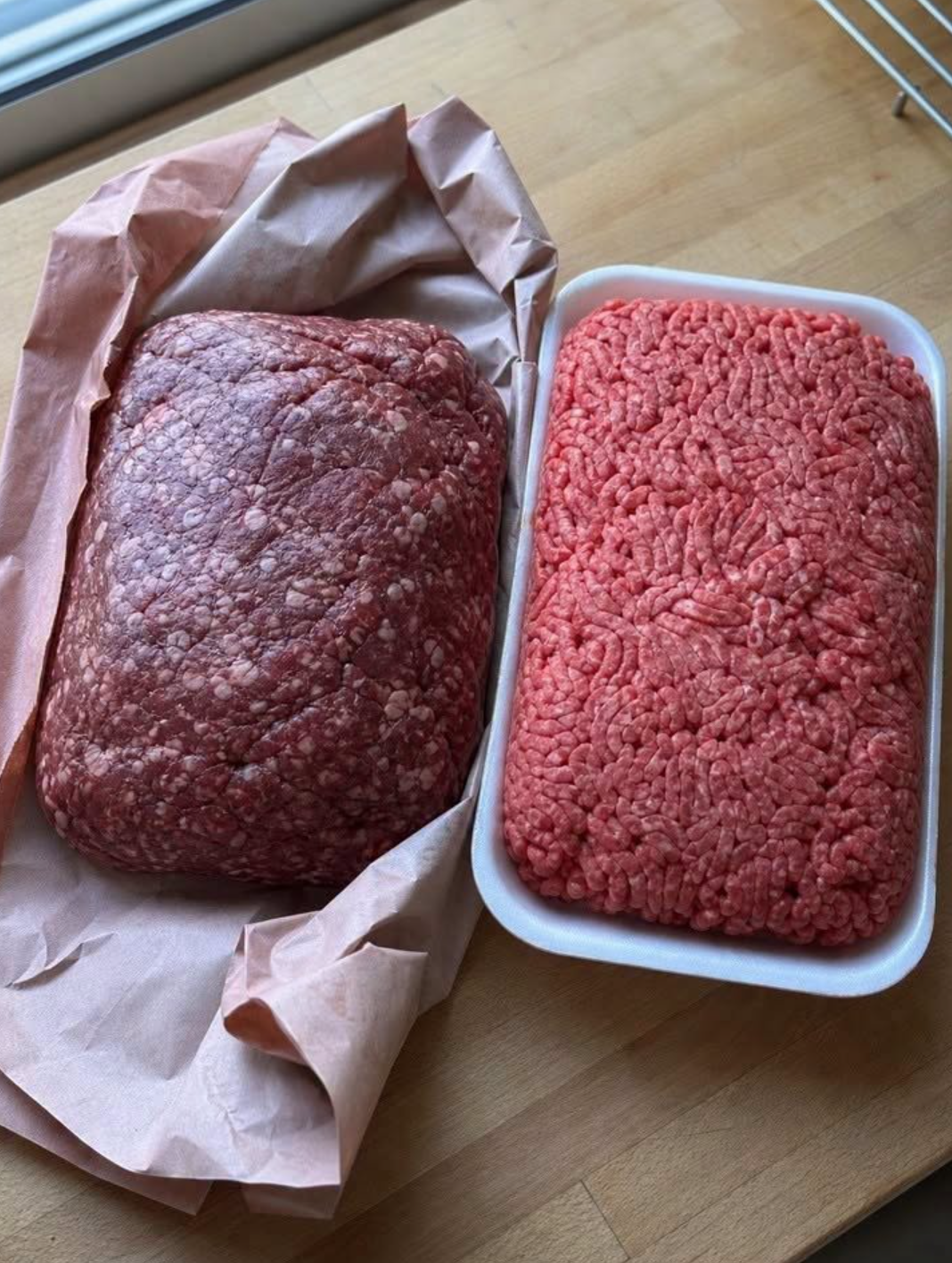
Subtitle: Choosing the food that ends up on your table is one of the most personal decisions you make each day. For many of us, the question of store-bought versus farm-raised beef is more than a practical choice—it’s about quality, taste, and confidence.
I still remember the first time I visited a local farm and saw where my meat actually came from.
I was in my thirties, and I’d been buying meat from supermarkets for years. I never thought much about it. The packages were neat, the labels were reassuring, and I assumed that the meat I was buying was the same as any other meat.
Then I visited a friend’s farm, and everything changed.
I saw the cattle grazing in open pastures, eating grass, living what looked like a peaceful life. I saw the difference in the meat—a deeper color, a richer texture. And when I tasted it, I realized that I’d been missing out on something for years.
The meat from the supermarket wasn’t bad. But it wasn’t the same. It was mass-produced, packaged, and shipped from who-knows-where, with a label that told me very little.
Now I’m more careful about where I buy my meat. And I want to share what I’ve learned—because the choices we make about food matter.
How Supermarket Beef Is Raised
Most meat sold in supermarkets comes from feedlots (also called concentrated animal feeding operations, or CAFOs). Here’s what that means:
-
-
Limited space. Animals are confined in crowded pens with little room to move.
-
Grain-based diets. They’re fed a diet of corn, soy, and other grains to fatten them quickly, rather than grass.
-
-
Antibiotics and hormones. Many feedlot cattle are given growth hormones and preventive antibiotics to promote rapid growth and prevent disease in crowded conditions.
-
Synthetic feed. Their feed often contains additives to promote rapid growth.
-
Stress. Confinement and unnatural living conditions cause stress, which can affect the quality of the meat.
How Farm-Raised Beef Is Different
Small-scale farms take a different approach:
-
-
Pasture-raised. Animals have access to open pasture and are free to roam.
-
Grass-fed or grass-finished. They eat grass and forage, which is their natural diet.
-
-
No added hormones. Many small farms avoid growth hormones.
-
Sustainable practices. They focus on soil health, animal welfare, and environmental stewardship.
-
Local processing. The meat is often processed and sold locally, reducing transportation.
The Quality and Taste Difference
Store-bought beef:
-
Tends to be leaner and less flavorful
-
Can be tough if not cooked properly
-
Often has a more standardized, generic taste
-
May contain more fat (and sometimes that fat is a result of feedlot diets)
Farm-raised beef:
-
Contains more marbling (intramuscular fat, which adds flavor)
-
Tends to be more tender and flavorful
-
Often has a richer, beefier taste
-
The fat is healthier (more omega-3 fatty acids, less saturated fat)
The difference in fat composition is significant. Grass-fed beef contains more omega-3 fatty acids and less saturated fat than grain-fed beef.
Environmental and Ethical Differences
Store-bought beef:
-
Feedlots can create concentrated waste, contributing to water and air pollution.
-
Raising grains for animal feed requires large amounts of land, water, and energy.
-
The conditions in feedlots are stressful for the animals.
Farm-raised beef:
-
Smaller farms often use sustainable grazing practices that improve soil health.
-
There is less waste and fewer environmental impacts.
-
Animals live in more natural, humane conditions.
The Cost Difference
Store-bought beef is generally less expensive because it’s mass-produced on a large scale. Farm-raised beef is more expensive because it’s produced on a smaller scale with higher quality standards. For many people, the extra cost is worth it for the taste, quality, and ethical peace of mind.
How to Choose Wisely
If you want to make more informed choices about the beef you buy, here are some tips:
Read labels. Terms like “grass-fed,” “grass-finished,” and “pasture-raised” are more meaningful than “natural” or “farm-fresh.”
Buy local. Farmers markets and local farms are better sources of high-quality beef.
Look for certifications. Certifications like “USDA Organic” or “Animal Welfare Approved” can provide additional reassurance.
Talk to your butcher. They can tell you where their meat comes from.
Understand the terms. “Grass-fed” means the animal ate grass at some point. “Grass-finished” means it ate grass for its entire life.
Don’t assume all farms are the same. Some farms that claim to be “family farms” may still use feedlots.
Frequently Asked Questions
Is supermarket beef less nutritious than farm-raised beef?
The nutritional differences are modest, but grass-fed beef generally has more omega-3 fatty acids and less saturated fat.
Is supermarket beef safe?
Yes. Supermarket beef is safe to eat and subject to USDA inspection.
Is farm-raised beef really worth the price?
That depends on your budget and values. Many people find the taste and quality justify the cost.
What does “grass-fed” mean?
It means the animal was allowed to eat grass and forage for part of its life, but it may have been finished on grain.
What is “grass-finished”?
It means the animal ate only grass and forage for its entire life.
Can I find farm-raised beef in a supermarket?
Yes—many supermarkets now carry grass-fed and pasture-raised options.
What should I look for on the label?
Look for “grass-fed,” “grass-finished,” and “pasture-raised.” Avoid vague terms like “natural.”
A Final Thought
For many of us, food is more than just fuel. It’s a connection to the past, to tradition, to the land. If you grew up on a family farm or remember buying meat from a trusted local butcher, you already know the difference between meat that’s mass-produced and meat that’s raised with care.
If you’re paying attention to what you eat and where it comes from, you’re already on the right track. The choice between store-bought and farm-raised isn’t just about health or taste—it’s about values.
The meat we eat isn’t just food. It’s a reflection of our choices, our values, and our relationship with the world around us.
Have you ever bought meat from a local farm? How did it compare to what you buy at the supermarket? Share your thoughts in the comments—I’d love to hear about your experiences. 🥩🌿