
A courtroom case involving a military veteran charged with battery after intervening in a bar altercation drew significant attention when security footage contradicted the initial police account. The case raised urgent questions about the legal exposure faced by bystanders who choose to act in moments of crisis.
The defendant, a veteran, testified that he was present at a bar when he witnessed a woman being physically restrained and calling out for help. He stated that he positioned himself between the woman and her aggressor to allow her to escape, then immediately stepped back once she was safe.
Law enforcement officers who responded to the scene that evening documented a reported physical altercation involving multiple parties. Based on witness accounts gathered at the scene and injuries observed, authorities determined that sufficient grounds existed to arrest the veteran on a battery charge under state law.
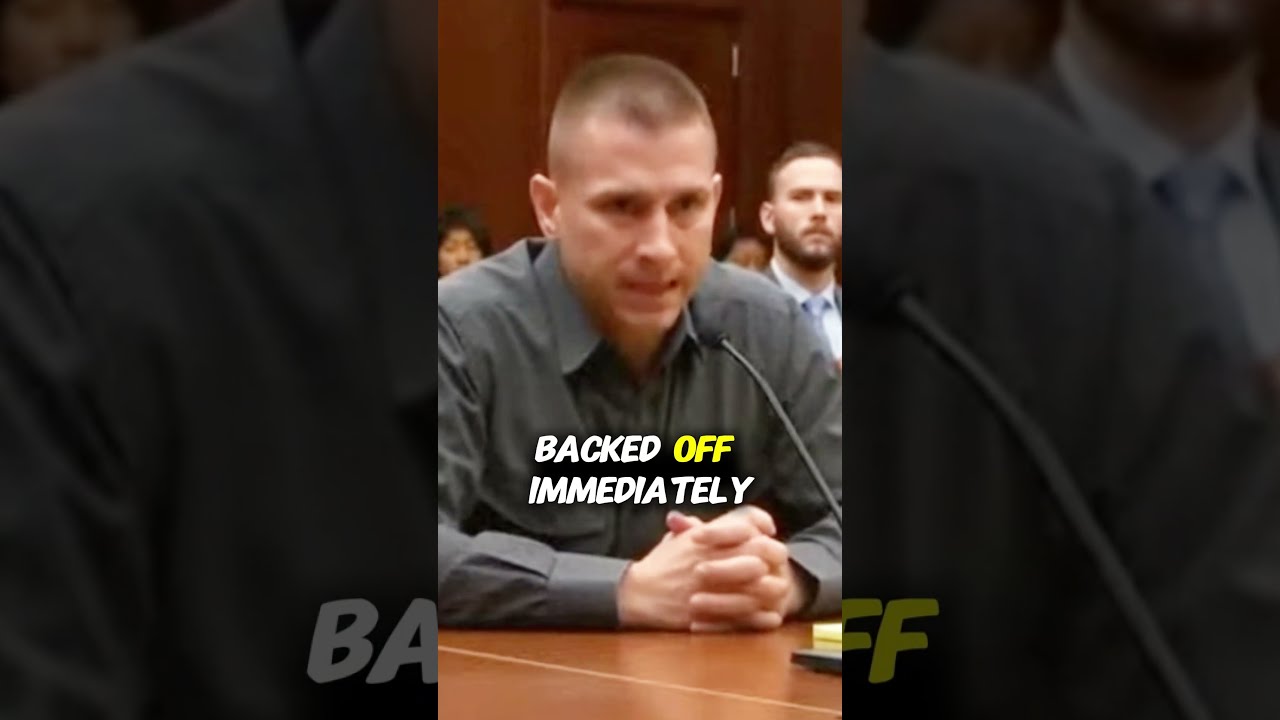
The prosecution presented the initial police report, which reflected the first responders’ assessment that the defendant had been engaged in a physical fight at the bar. That characterization formed the basis of the battery charge brought against him.
The defense argued that the veteran had not initiated any confrontation and that his actions were solely protective in nature. Central to the defense’s case was the bar’s closed-circuit television footage, which the court reviewed prior to the proceeding.
The CCTV recording captured the sequence of events as they unfolded inside the establishment. The footage showed the defendant moving toward the woman who appeared to be in distress, placing himself between her and the individual restraining her, and then withdrawing once she had moved to safety.
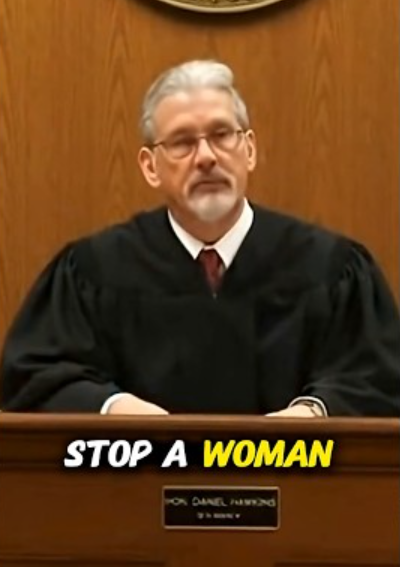
The judge reviewed the security footage independently before delivering remarks from the bench. The court found that the recording directly contradicted the battery charge by showing that the defendant had not initiated physical contact aggressively but had instead intervened defensively on behalf of another person.
In ruling on the matter, the judge stated that the footage clearly demonstrated the defendant had not started the confrontation and had acted to prevent harm to a third party. The court declined to sustain the battery charge under those circumstances, finding that the evidence did not support criminal liability for the defendant’s conduct.
All charges against the veteran were dismissed. The ruling reflected a legal determination that intervening to protect another individual from ongoing harm does not, under the facts presented, constitute battery when the intervenor withdraws once the threat is neutralized.
The outcome carries implications for how bystander intervention cases are initially assessed by law enforcement at the scene versus how courts may later evaluate the same conduct with access to objective video evidence. The case illustrates the role security footage can play in distinguishing protective action from criminal conduct.
For the veteran, the dismissal represented a full vindication before the court. Watch the full ruling below.