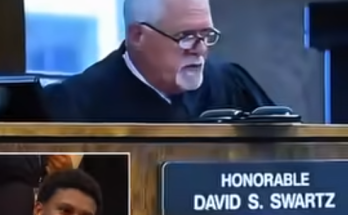
A birthday celebration turned into a scene of chaos and terror on a recent episode of Worldwide Court, when a homeowner testified that his neighbor’s actions sent fireworks shooting out of a lit fireplace into a living room filled with children. The case drew a sharp rebuke from the bench and raised serious questions about a long-running dispute between two neighboring families.
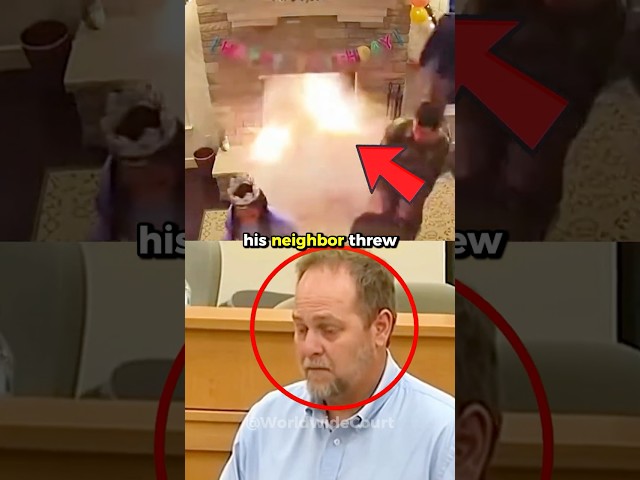
The plaintiff testified that the incident occurred during his son’s birthday party, while guests were gathered around singing and celebrating. Without warning, fireworks began discharging from the fireplace into the living room. Because the fireplace was already lit at the time, a fire rapidly spread, requiring the fire department to respond to the scene.
The plaintiff stated that repair costs reached $40,000, covering fire and smoke damage throughout the home. He further testified that this was not an isolated incident, alleging that the same neighbor had previously b.e.a.t up the family’s property on two prior occasions, including breaking windows and damaging vehicles parked on the premises.
The defendant, identified in court as Mr. Harris, did not deny being present on the property that evening. However, he offered a markedly different account of his actions.
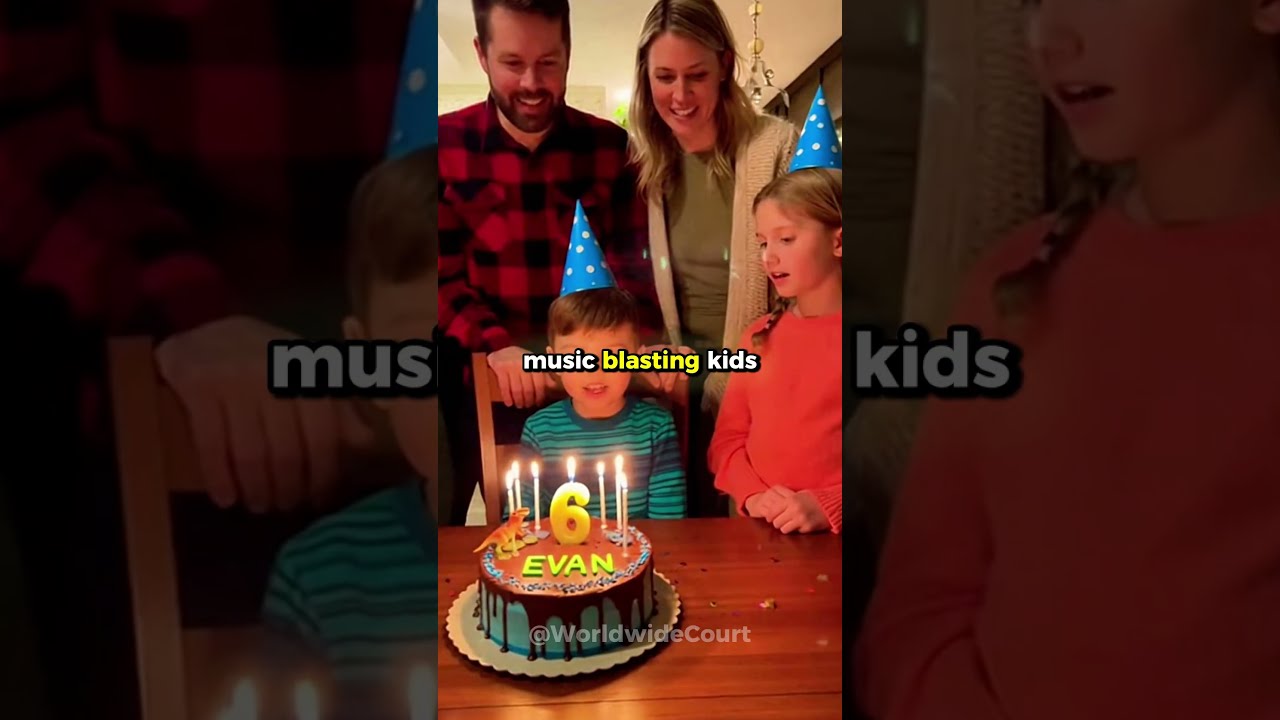
He argued that the household had been excessively loud for hours, with music and children audible well into the night, and that he had gone to the plaintiff’s residence to address the disturbance.
Harris maintained that his visit was strictly conversational, and that any additional allegations made against him amounted to speculation without basis. He insisted he had done nothing beyond attempting to speak with his neighbor about the noise.
The evidentiary phase of the hearing shifted decisively when the plaintiff introduced footage from a Ring security camera installed on or near the home. The footage, according to the plaintiff’s testimony, showed Harris climbing onto the roof of the property at approximately 10:15 p.m., the same timeframe in which the fireworks incident allegedly occurred.

When the judge presented Harris with the existence of the video and asked him to explain what he was doing on the roof, Harris stated that he had gone up to inspect the chimney cap because he believed he had observed smoke. The court appeared to find this explanation inadequate given the circumstances described in the plaintiff’s testimony.
The judge noted the specific conditions under which the alleged act took place, including the presence of children approximately ten feet from the fireplace and the fact that the fireplace was actively burning at the time. The combination of those factors, along with the security footage, shaped the court’s assessment of the defendant’s credibility.
The presiding judge issued a severe ruling from the bench. After reviewing the evidence and hearing both parties’ accounts, the court sentenced the defendant to twenty years, reflecting the gravity with which the court viewed the conduct alleged and documented in the case. The ruling drew a strong reaction, consistent with the judge’s visible displeasure throughout the proceeding.
The sentence underscored the court’s position that introducing an accelerant or igniting device into an occupied residence through a chimney, particularly one with an active fire and children nearby, constituted conduct warranting the most serious response available to the bench.
For the plaintiff and his family, the ruling offered legal resolution following what he described as a sustained pattern of harassment and property interference from the same neighbor.
Whether the $40,000 in property damages would be addressed through a separate civil remedy was not specified in the hearing, but the criminal determination appeared to close a significant chapter in the dispute.
The case serves as a stark illustration of how neighborhood conflicts, when left unaddressed through conventional channels, can escalate into conduct with potentially life-threatening consequences and severe legal penalties. Watch the full ruling below.